
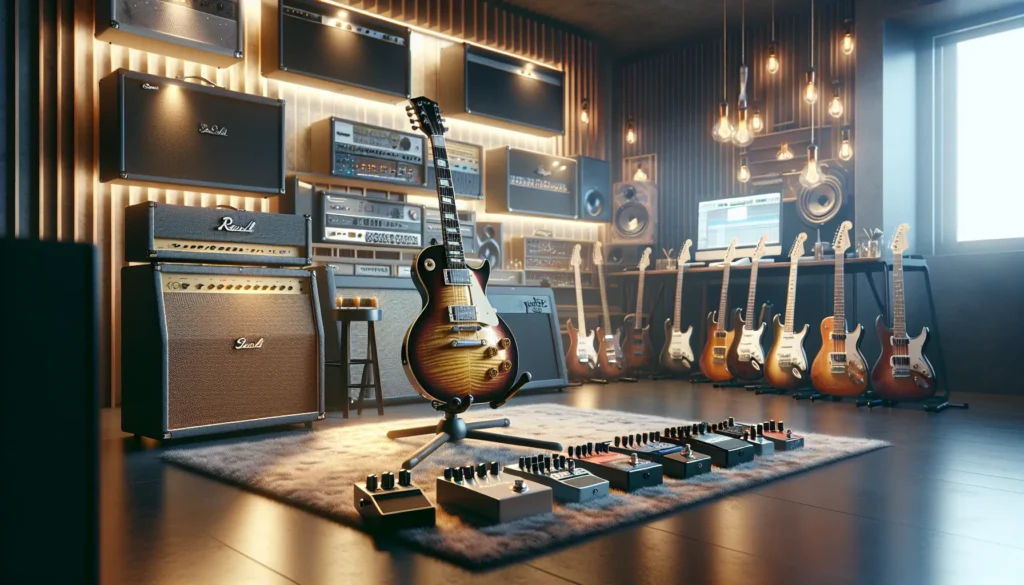
Picture this: Jeff stands in his garage, hands dusty from rewiring a 1972 Fender Telecaster, the air thick with the scent of old wood and solder. He’s not just fixing a guitar—he’s reliving the night he played his first gig, sweat dripping, heart pounding, amp buzzing. That’s the magic behind Jeff’s music gear. Every piece in his collection tells a story, and if you’ve ever wondered what makes a musician’s heart race, you’re in the right place.
Why Jeff’s Music Gear Matters
Let’s be honest—gear can make or break your sound. If you’ve ever plugged into a cheap amp and wondered why your guitar sounds like a tin can, you know the pain. Jeff’s music gear isn’t about showing off. It’s about chasing that perfect tone, the one that makes your spine tingle. Whether you’re a bedroom strummer or a stage veteran, the right gear changes everything.
The Heart of the Collection: Guitars That Sing
Vintage Finds and Modern Marvels
Jeff’s music gear collection starts with guitars. Not just any guitars—think 1965 Gibson SG, a battered Stratocaster with cigarette burns, and a custom-built Telecaster with a neck so smooth it feels like silk. Each guitar has its quirks. The SG’s neck pickup hums with warmth, while the Strat’s bridge pickup bites with attitude. Jeff once dropped the Tele on stage, dented the body, and swears it sounds better now. Here’s the part nobody tells you: scars add character, not just to people, but to instruments too.
Acoustic Gems
If you’ve ever tried to write a song at 2 a.m., you know the comfort of a good acoustic. Jeff’s music gear stash includes a 1970 Martin D-28, its spruce top yellowed with age, and a Taylor 814ce that rings out like a bell. He learned the hard way that cheap strings kill the vibe, so he only uses Elixirs or D’Addarios. Pro tip: change your strings before every gig. Your audience will hear the difference, even if they can’t explain why.
Amps: The Unsung Heroes
Let’s break it down. You can have the world’s best guitar, but if your amp stinks, so will your sound. Jeff’s music gear lineup features a 1968 Fender Twin Reverb, a Vox AC30 that’s seen more bars than most people, and a tiny Orange Micro Terror for late-night jams. He once blew a fuse mid-set and had to finish the show unplugged. Lesson learned: always pack a spare fuse and a backup amp. If you’re serious about your tone, don’t skimp on your amp.
Pedals: The Secret Sauce
Here’s where things get wild. Jeff’s pedalboard looks like a spaceship. There’s a Klon Centaur (yes, the real deal), a battered Boss DS-1, and a Strymon BigSky that makes everything sound like a dream. He’s spent years chasing the perfect pedal order. Mistake? Putting reverb before distortion. It sounded like a swamp. Now, he swears by this order: tuner, overdrive, distortion, modulation, delay, reverb. Try it and thank him later.
- Klon Centaur: For creamy overdrive
- Boss DS-1: Classic crunch
- Strymon BigSky: Lush, endless reverb
- Electro-Harmonix Memory Man: Warm analog delay
- MXR Phase 90: Swirling phaser magic
If you’ve ever felt lost in a sea of pedals, start simple. Jeff’s music gear journey began with just a tuner and a fuzz. Build from there. Don’t buy pedals because they’re trendy—buy what inspires you.
Studio Essentials: Where the Magic Happens
Recording at home? Jeff’s music gear includes a Focusrite Scarlett interface, Shure SM7B mic, and Yamaha HS8 monitors. He’s made every mistake in the book—recording vocals in a tiled bathroom (echo city), mixing on cheap headphones, forgetting to save takes. If you want pro results, invest in good monitors and treat your room. Even a few foam panels make a difference.
Software and Plugins
Jeff swears by Logic Pro X and a handful of plugins: Waves SSL for punchy mixes, Valhalla VintageVerb for space, and Melodyne for fixing those “oops” moments. Here’s the truth: no plugin can fix a bad performance. Nail your take, then polish it up.
Accessories: The Overlooked MVPs
It’s easy to obsess over guitars and amps, but Jeff’s music gear wouldn’t be complete without the little things. He keeps a stash of Dunlop Jazz III picks, Ernie Ball strap locks, and a Snark tuner clipped to every headstock. He’s lost more capos than he can count. If you’re forgetful, buy extras. You’ll thank yourself when you’re running late for a gig.
Who Should Care About Jeff’s Music Gear?
If you’re a gear nerd, you’ll love the details. If you’re a beginner, Jeff’s music gear shows you don’t need the fanciest stuff to make great music—just tools that inspire you. If you’re a pro, you’ll appreciate the battle scars and the lessons learned. But if you’re looking for shortcuts or magic bullets, this isn’t for you. Gear helps, but practice and passion matter more.
Lessons Learned: Mistakes, Fixes, and Surprises
Jeff’s music gear journey isn’t perfect. He’s bought pedals he never used, snapped strings mid-solo, and once left his prized Les Paul in a hot car (don’t do that—the neck warped). Every mistake taught him something. The best gear is the stuff you use, not the stuff you show off. If you’re building your own collection, start with what you love. Don’t chase trends. Chase sounds that move you.
Next Steps: Build Your Own Collection
Ready to start your own journey? Here’s what Jeff wishes he knew:
- Play everything before you buy. Specs don’t tell the whole story.
- Buy used when you can. Older gear often sounds better and costs less.
- Keep a gear journal. Track what works and what doesn’t.
- Don’t be afraid to sell what you don’t use. Gear should inspire, not collect dust.
- Trust your ears. If it sounds good to you, it is good.
Jeff’s music gear isn’t just a collection—it’s a living, breathing record of his musical life. If you’ve ever felt the thrill of plugging in and hearing something new, you get it. The right gear won’t make you a star, but it’ll help you find your voice. And that’s what really rocks.