
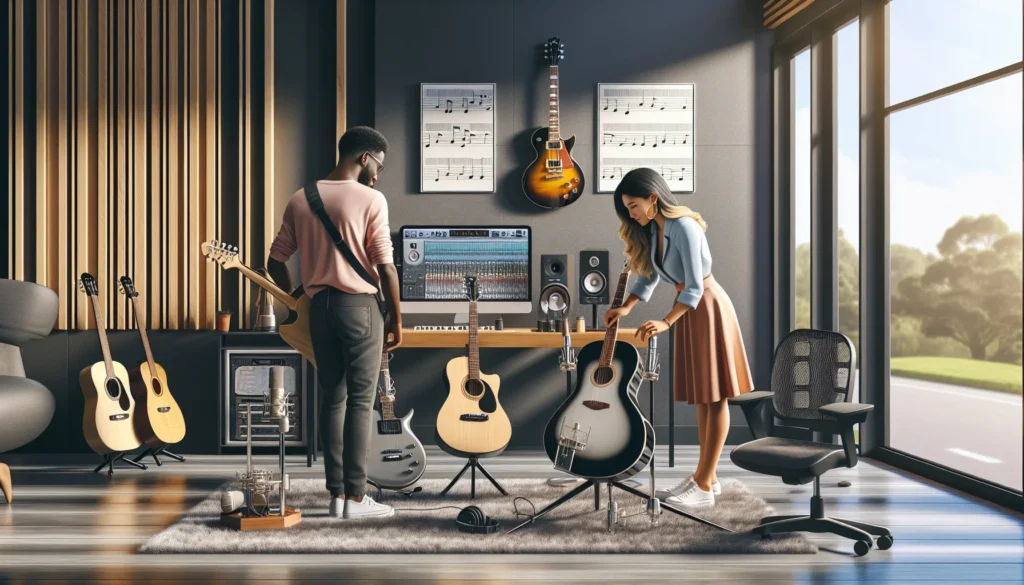
Picture this: You’re on stage, sweat trickling down your back, fingers trembling as you reach for your guitar. The crowd’s waiting. You strum—and your amp fizzles out. If you’ve ever felt that gut-punch of gear failure, you know why choosing the right gear for music isn’t just about sounding good. It’s about trust, confidence, and the freedom to create without fear. Whether you’re a bedroom producer, a gigging drummer, or a synth wizard, the gear you pick shapes your sound and your story.
Why Gear for Music Matters More Than You Think
Let’s get real. Gear for music isn’t just a shopping list. It’s the difference between a song that lives and one that dies on your hard drive. The right tools can spark creativity, save you hours of frustration, and even help you find your unique voice. The wrong ones? They’ll haunt your mixes and your wallet.
If you’ve ever spent hours tweaking a cheap interface, only to end up with hiss and hum, you know the pain. Or maybe you’ve tried to record vocals in your closet, only to realize your mic picks up every neighbor’s dog. Here’s the part nobody tells you: Gear for music is personal. What works for your favorite artist might not work for you. Your space, your style, your budget—they all matter.
Essential Gear for Music: The Core List
Let’s break it down. No matter your genre or skill level, some gear for music is non-negotiable. Here’s what you need to get started—and what you can skip (for now).
1. Instrument
Obvious, right? But here’s the twist: Don’t buy what looks cool. Buy what feels right in your hands. If you’re a guitarist, try a few neck shapes. If you’re a keyboardist, test the key action. The best gear for music is the one you’ll actually play.
2. Audio Interface
This little box is your bridge from analog to digital. A solid interface means clean recordings and less time fighting noise. For most, a two-input interface like the Focusrite Scarlett 2i2 or PreSonus AudioBox will do the trick. If you’re recording drums or a full band, look for more inputs.
3. Microphone
Here’s where things get personal. For vocals, a large-diaphragm condenser like the Audio-Technica AT2020 is a classic starter. For instruments, a Shure SM57 is a workhorse. Don’t fall for the myth that you need a $1,000 mic to sound pro. Placement and room treatment matter more.
4. Headphones or Monitors
Mixing on laptop speakers? You’re missing half the picture. Closed-back headphones like the Sony MDR-7506 are great for tracking. For mixing, studio monitors like the KRK Rokit 5s give you a true sense of your sound. If you can’t treat your room, headphones might be the safer bet.
5. Cables and Stands
It’s not glamorous, but bad cables can ruin a session. Invest in a few quality XLR and instrument cables. A sturdy mic stand saves you from the heartbreak of a mic hitting the floor. Trust me, I’ve been there.
Upgrading Your Gear for Music: When and Why
Here’s the truth: You don’t need to upgrade every year. But sometimes, better gear for music unlocks new possibilities. Maybe your old interface can’t handle more than two tracks. Maybe your guitar’s intonation is always off. If your gear is holding you back, it’s time to level up.
But don’t chase trends. Ask yourself: Will this new piece solve a real problem? Or am I just bored? The best upgrades fix bottlenecks. For me, switching from a cheap USB mic to a real interface made my vocals finally sit in the mix. For you, it might be a new synth, a better drum pad, or even a comfy chair for long sessions.
Common Mistakes When Choosing Gear for Music
- Buying based on hype, not need
- Ignoring your room’s acoustics
- Overlooking compatibility (Mac vs. PC, iOS vs. Android)
- Forgetting about resale value
- Neglecting the importance of comfort and workflow
If you’ve ever bought a fancy pedal and realized it doesn’t fit your board, you know the pain. Or maybe you grabbed a DAW that everyone raves about, only to find the interface confusing. Here’s why: The best gear for music fits your life, not just your wishlist.
How to Choose the Right Gear for Music: A Step-by-Step Guide
- Set your budget. Be honest. There’s no shame in starting small.
- Identify your needs. Are you recording, performing, or producing?
- Research real-world reviews. YouTube demos, Reddit threads, and forums are gold mines.
- Test before you buy. If possible, try gear in person. If not, buy from places with good return policies.
- Prioritize reliability. A $50 pedal that works every time beats a $500 one that glitches.
Here’s the part nobody tells you: Your first setup won’t be perfect. That’s okay. You’ll learn what you love—and what drives you nuts. Every mistake is a step closer to your sound.
Who Needs What? Gear for Music by Role
Producers
If you’re making beats or mixing tracks, focus on a fast computer, a reliable DAW (like Ableton Live or FL Studio), and a MIDI controller. Good monitors and acoustic treatment help you hear the truth in your mixes.
Performers
Live musicians need rugged gear for music. Think sturdy cases, backup cables, and easy-to-use pedals. Wireless systems can free you up on stage, but always have a wired backup.
Songwriters
Keep it simple. A portable recorder, a notepad, and a solid acoustic guitar or keyboard can capture ideas anywhere. Don’t let gear get in the way of inspiration.
Lessons Learned: My Gear for Music Fails (and Fixes)
I once bought a boutique pedal because my hero used it. It sounded nothing like their records. Turns out, their magic was in their fingers, not the box. Another time, I cheaped out on a mic stand. It collapsed mid-take, and my mic still has the dent. Lesson: Spend where it counts, and don’t chase someone else’s sound.
If you’ve ever felt gear envy, you’re not alone. But remember, the best gear for music is the stuff that helps you make more music—not just collect dust.
Next Steps: Building Your Perfect Setup
Start with the basics. Upgrade when you hit a wall. Trust your ears, not the marketing. And most of all, keep making music. The right gear for music is the stuff that gets out of your way and lets you create. If you’re stuck, ask other musicians what worked for them—and what didn’t. You’ll save money, time, and a few headaches.
Ready to build your dream setup? Grab your favorite instrument, plug in, and let the music lead. Your gear for music is just the beginning of your story.