
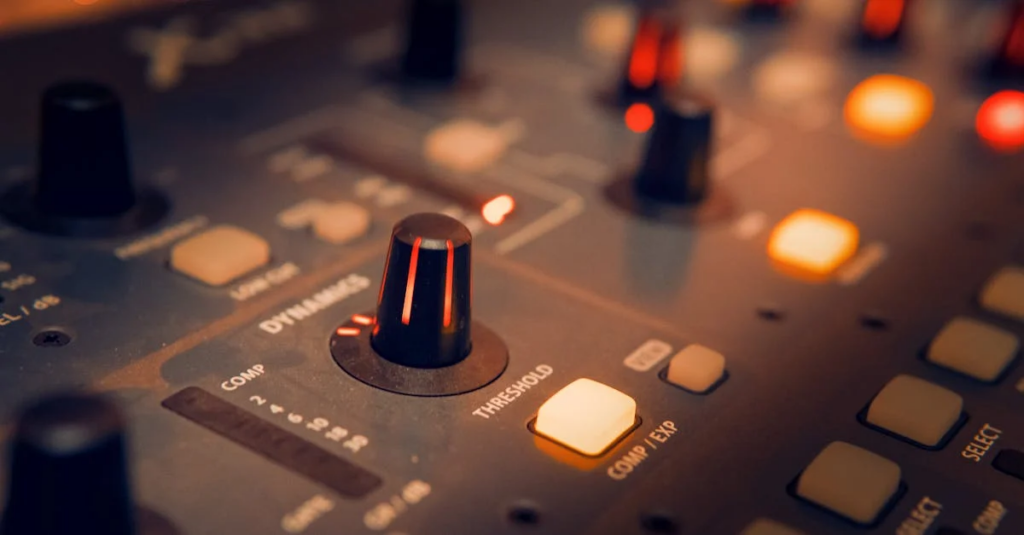
Have you ever wondered how your favorite tracks stay perfectly tuned on various platforms? Enter the music sound board. If you're imagining a room full of knobs and faders, well, you're not wrong, but there's so much more to it. Whether you're a seasoned audio professional or just delving into music production, a sound board can elevate our audio game to new heights. In this text, we'll break down everything from what a music sound board actually is, to its essential features, types, and tips for maximizing its potential. Let's hit the right notes together.
What Is a Music Sound Board?
A music sound board, often known simply as a mixer, is the backbone of audio production. It's a device that helps us control the volume, tone, and overall sound of various audio sources. Ever wondered how live sound engineers manage to mix live performances seamlessly? That's right, they're using a sound board. These devices enable us to blend different audio channels, ensuring a smooth listening experience.
Most music sound boards come equipped with multiple inputs for microphones, instruments, and other sound sources. We can adjust each audio channel's volume, add effects, or even tweak EQ settings, allowing us to create a polished final product. In essence, it transforms raw audio into something truly harmonious.
Key Features of Music Sound Boards
When we consider music sound boards, several key features stand out, helping us understand their versatility:
Inputs and Outputs: These are the lifelines. The number of inputs dictates how many instruments or mics we can use simultaneously. Outputs let us send sound to speakers, recording devices, or other systems.
Faders and Knobs: The interface elements we interact with. Faders control volume levels, while knobs typically manage the tone or effects like reverb.
Equalization Controls: EQ settings enable us to cut or boost specific frequency ranges, shaping the sound to our preferences. Want a deeper bass or clearer vocals? This feature is essential.
Built-in Effects: Many modern sound boards come with effects like delay and reverb, saving us from needing additional equipment. It's a convenient way to enhance our sound right on the board.
Digital Connectivity: In today's tech-driven world, many mixers offer digital connections for streamlined integration with computers and software, allowing for efficient editing and recording.
Types of Music Sound Boards
Choosing the right type of music sound board can be a game-changer for any project. Here are the main types we often encounter:
Analog Mixers: These are the classics. Offering a simple, straightforward approach, analog boards provide a warm sound. They're often preferred in live settings and showcase tactile controls that many audio engineers love.
Digital Mixers: If we're looking for sophistication, digital mixers are hard to beat. Packed with features, they allow for complex routing and recall of settings, making them ideal for studio settings and live performances needing precise sound control.
USB Mixers: Emerging as a trend, USB mixers bridge the gap between simplicity and connectivity. They help easy recording onto a computer, perfect for beginners or home studios. Any audio project, big or small, can benefit from these.
Live Sound Mixers: Tailored for live performances, these mixers focus on raw power, they boast many inputs to handle multiple musicians at once. Think about a concert or festival: these boards are built for that.
How to Choose the Right Music Sound Board
Selecting the right music sound board can feel overwhelming, but it doesn't have to be. Here are some considerations to simplify the process:
Determine Your Needs: Start by identifying what we'll mainly use it for, live performances, studio recording, or both? This will narrow down our options significantly.
Consider Portability: If we're on the move, lightweight sound boards with built-in USB connections serve us well, allowing for easy transport and setup.
Input/Output Requirements: Let's note how many inputs we'll need, along with the desired outputs. For larger bands, we might need more channels to accommodate all instruments.
Budget: While it's tempting to go for high-end models with all the bells and whistles, we should establish a budget. There are great options across various price ranges that won't expensive.
Tips for Using a Music Sound Board Effectively
Once we've picked our music sound board and set it up, here are some tips to maximize our use:
Read the Manual: This may seem obvious, but each sound board has unique features. Understanding our specific model unlocks its full potential.
Practice Makes Perfect: Before jumping into a live setting or important recording session, let's practice mixing. Familiarity with the controls leads to more refined sound.
Use EQ Wisely: Experiment with EQ settings during sound checks. Adjusting the frequencies can help eliminate muddiness and ensure clarity in our mix.
Stay Organized: Label channels if possible. This practice helps keep us on track during live performances, reducing potential mistakes.